
Being in Higher Tax Brackets is a Good Thing

In response to my article Raising Business Rents is Sometimes a Very Bad Idea Constant reader MakesOwnWeather speculated that one reason landlords may want to keep a store empty is for tax reasons and gave an example from his experience in the following comment:
... a little more than a decade ago and my accountant told me around August of that year that if I keep up this pace of earnings by the end of the year, I will be a in a different tax bracket and will be paying about 20% of my profit in taxes.
If we are talking about ordinary income in the United States, your accountant should have informed you that going into a higher tax bracket does not affect the money you earned in a lower bracket. For example, for the 2013 tax year, for a single person, if after deductions and exemptions you earned $8,924.99 you would be in the 10% tax bracket and be subject to a federal tax of $892.50. If you earned one dollar more, you would be in the 15% tax bracket but only for the money above $8,924.99. That is, if you earned a thousand dollars more it would put you in the 15% tax bracket but that higher rate would only apply to the $1,000.00 - your original earnings are still taxed at 10%. Here's the math (everything in taxable dollars):
| Taxable income | tax you'll pay | net income | Tax bracket | actual tax rate |
|---|---|---|---|---|
| $8924.99 | $892.50 | $8032.49 | 10.00% | 10.00% |
| $9924.99 | $1042.50 | $8882.49 | 15% | 10.50% |
Thus, leaping into the next tax bracket only costs you $5 more for every $100 you earn. Is that so bad that you would forego making $85 after taxes because you don't want to accept anything less than $90 after taxes? If you notice, earning a thousand bucks into the 15% tax bracket only changes your actual overall tax rate by a mere half percent.
Your accountant gave you bad advice. The best thing in the world is to be in the next tax bracket because you will net more money than you pay in taxes. My father often told me: the only thing worse than paying $2,000,000 in taxes is paying nothing in taxes.
Put this in perspective: let's say you bought a winning lottery ticket for $10,000,000 - would you throw the ticket away because it would bump you into the highest tax bracket? Obviously not.
If you like your job, then work as many as hours as you like for as many days in the year as you like.
If you don't like your job, then work as few hours as necessary even if the tax rate is zero. Do not make decisions about earning money based on taxes.
There are people who make little money shoveling manure and don't like their job, as those in the photo above; and then there are those who make a lot of money shoveling manure, and love their job, as those in the photo below.
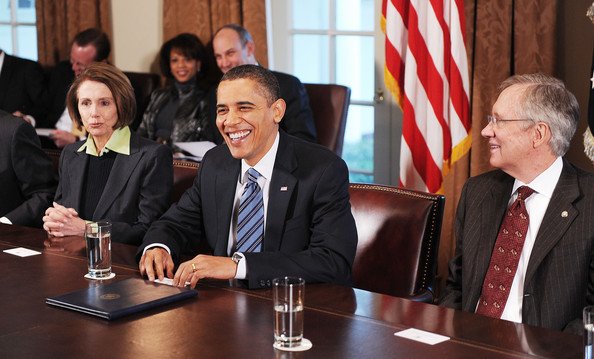
The Biggest Manure Shovelers in America
As for investment income however, when to buy or sell, how little or how much, how long to hold, becomes quite complicated and the tax issues will depend on where you live, your age, trigger points, holding periods, cost basis, inheritance issues, tax loss carryforwards, the political party in power, the cycle of the moon, etc., and is beyond the scope of a single article.

