
The Chinese Sell Knockoffs But Buy the Real Things
How is this for irony: China in the past few years has become the world leader in purchases of designer and high-end name brand products.
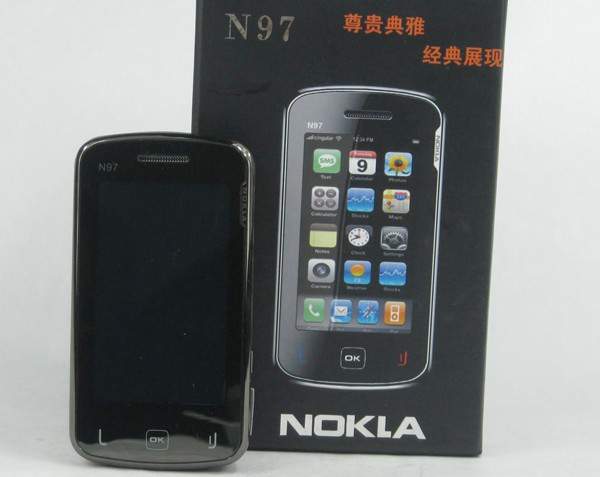
That's right, the country that makes Chinese sound-alike fakes or shanzhai and produces most of the counterfeits of original name brands (Shanzhai products may look and sound close to a real name brand, such as iPed (1) while counterfeits use fraudulent labels with the exact same name), is so hot for genuine luxury articles that its citizens, despite a slow economy, now buy almost half of all luxury goods in the world (2).
A few years ago the Chinese government began banning outdoor advertising in the Chinese capital that promotes “hedonism, lavishness and the worship of foreign things” in order to slow down the growth of spending on foreign luxury goods (3). Seems not to have worked, Chinese consumers still spend mucho dineros on high-end brands such as Louis Vuitton, Hermes and Prada.
That's it - no in depth analysis of Chinese consumerism, just an observation on the irony of the whole thing.
ENDNOTES
(1):
The Consumerist, 22 Jun 2010, Meet The Top 10 Chinese Knockoffs
Time.com put together their list of the Top 10 Chinese Knockoffs:
1. HiPhone and APhone A6: One of the earliest iPhone clones, the HiPhone was being sold for as little as $100. But as Wired put it, the HiPhone earned it's name because "you'd have to be high to actually buy it."
2. iPed: This iPad knockoff might have a smaller screen but it does have things the pricier device doesn't: camera, USB port and expandable memory slot.
3. Goojje: Launched in January when Google threatened to leave China, this knockoff search engine has received a cease-and-desist from Google. Alas, Goojje has neither ceased nor desisted.
(2):
China Daily Asia, 19 Feb 2014, Is the shine gone from luxury goods?
Although growth has slowed for many luxury retailers in China, Chinese consumers last year still purchased luxury goods with an estimated value of $10.2 billion in domestic and foreign outlets, 47 percent of the world’s total.
...
“You have to understand that part of the Chinese mentality. If they are going to pay, they want the best,” said Young. “If they buy a Cadillac, a high-end car, it’s obviously more than functions they are paying for. They need to feel it is technologically the best in every way, and that’s how the brand is going to project itself.”
(3):
Bloomberg Business, 7 Apr 2011, China's Ad Business Faces a Crackdown
"Hedonism, lavishness and the worship of foreign things" won't be tolerated. Nor will promoting "aristocratic lifestyles."
A new ban on these themes in outdoor advertising takes effect on Apr. 15 in Beijing, according to an announcement on the website of the city's industry and commerce bureau. The restrictions are likely to be rolled out in cities across China as part of what could prove to be a nationwide crackdown on conspicuous consumption, says Shanghai-based Jim Liu, managing partner at outdoor advertising agency Kinetic China.
... Sales of Ferraris grew 50 percent last year. Lamborghini sales tripled, while sales of Louis Vuitton handbags, Hermès scarves, and Omega watches keep growing rapidly.

